How to Get Referrals as an Online Fitness Coach: Build a Simple Referral System
Learn how to build a simple referral system for an online fitness coaching business, including when to ask, what to say, how to make sharing easy, how to reward referrals, and what to track.
 Written by Dylan StottFounder of Kinetic AI
Referrals are one of the easiest growth opportunities for an online fitness coach to overlook because they often happen informally. A client gets a good result, tells a friend, and a new prospect appears in your DMs. That is useful, but it is not a system.
A referral system turns that occasional word-of-mouth into a repeatable process. You create a clear moment to ask, make the introduction easy, give the referred person a simple next step, and track what happens afterward.
The goal is not to pressure every client to promote your business. The goal is to make it easy for happy clients to introduce people who may genuinely benefit from the same coaching experience.
What is a referral system for an online fitness coach?
A referral system is a repeatable process for turning satisfied clients, former clients, and trusted relationships into introductions to new prospects.
It is different from simply saying, 'Send anyone my way.' A real system defines who you want introduced to, when you will ask, how the client can make the introduction, what the new person should do next, and how you will track the source.
The system can stay very simple. Most coaches do not need complicated referral software. They need a clear process that is actually used every week.
The five-part referral loop
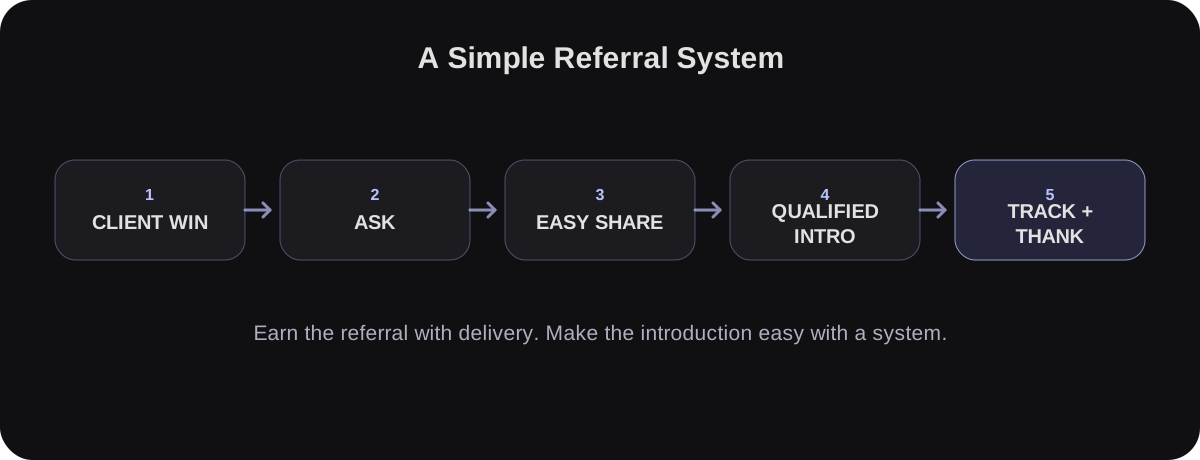
A useful referral process can be built around five steps: create a result worth talking about, ask at the right moment, make sharing easy, handle the introduction well, and track and thank the source.
If one step is weak, the whole channel becomes inconsistent. Great delivery with no ask leaves referrals to chance. A strong incentive with weak delivery feels forced. A good introduction with poor follow-up wastes the trust that created the opportunity.
- ✓1. Create a client experience worth referring
- ✓2. Ask at a natural moment
- ✓3. Make the introduction easy
- ✓4. Give the referred person one clear next step
- ✓5. Track the outcome and thank the referrer
Step 1: earn the referral before you ask for it
Referral marketing starts with delivery. A client is much more comfortable recommending you when they can clearly explain what changed because of the coaching.
That does not require a dramatic transformation photo. A client may refer because they finally became consistent, learned how to train around a busy schedule, stopped restarting every Monday, gained confidence in the gym, or understood how to manage nutrition without extreme rules.
The better you make progress visible, the easier it becomes for the client to talk about the experience. This is one reason retention, check-ins, milestones, and referral growth are connected rather than separate parts of the business.
Step 2: ask when the client already feels the value
The best time to ask for a referral is usually around a real positive moment. The client has just shared a win, reached a milestone, complimented the coaching, renewed, or explained how much easier the process feels than before.
That timing matters because the referral request connects to an experience the client already wants to talk about. You are not interrupting a neutral moment with a favor. You are giving them an easy way to share something they already feel good about.
- ✓After a meaningful progress milestone
- ✓After a client sends positive feedback
- ✓After a successful review or check-in
- ✓After a renewal or recommitment
- ✓After the client mentions a friend, coworker, partner, or family member with a similar goal
Do not wait until the client finishes coaching
Some coaches only ask for referrals when a client is leaving. That can work, but it misses many of the strongest moments in the relationship.
A client may feel most excited three months before the end of the program because they just hit a milestone or finally solved a problem that had frustrated them for years. If you wait until the final invoice, the emotional connection to that result may be weaker.
Build referral prompts around positive moments throughout the coaching relationship instead of one awkward request at the end.
Step 3: make the ask specific
A vague request creates work for the client. 'Do you know anyone who wants a coach?' forces them to search through everyone they know and decide who might fit.
A specific request makes the right person easier to remember. Describe the type of client you help and the problem that person is likely dealing with.
For example, if you coach busy fathers who want to lose weight without training six days per week, that is much easier to match to a real person than saying you help anyone who wants to get fit.
A simple referral ask you can actually use
Keep the message natural and short. You do not need a polished sales script.
One version could be: 'You have made a lot of progress with this system. If you know someone in a similar situation who keeps struggling with consistency, I am happy to talk with them. If anyone comes to mind, you can introduce us in a group message and I will take it from there.'
The exact wording matters less than the structure: acknowledge the client's result, name the kind of person you help, and give them an easy way to make the introduction.
Step 4: remove the work from the referral
A happy client can still fail to refer if the process feels inconvenient. Do not make them explain your package, remember your website, find the right booking link, or write a long recommendation from scratch.
Give them one simple action. A group Instagram DM, a text introduction, a short referral form, or a direct link can all work. Choose whatever matches how your clients naturally communicate.
- ✓Give the client one sentence they can forward if they want it.
- ✓Use one referral link or one clear contact method.
- ✓Do not require the client to explain your full offer.
- ✓Let the coach take over once the introduction is made.
- ✓Keep the referred person's next step obvious.
Give clients a ready-to-send introduction
A short message template reduces friction without making the referral feel fake.
For example: 'Hey, I have been working with [Coach] and thought of you because you mentioned struggling with [problem]. The coaching has helped me with [result]. I am putting you two in touch in case it is useful.'
Tell clients they can change the wording however they want. The template is there to save time, not control the recommendation.
Should you offer a referral reward?
You can, but you do not have to. Strong referrals can happen because the client genuinely wants to help someone they know.
An incentive can make the system more visible and give the client another reason to act, but it should not become the only reason the referral exists. The underlying experience still needs to be worth recommending.
If you use a reward, keep the structure easy to understand. Decide exactly what action triggers the reward, when it is delivered, and whether both the existing client and the new client receive something.
Good referral rewards should protect the offer
Avoid creating an incentive that makes the coaching feel constantly discounted. The reward should feel useful without weakening the value of the service or training clients to wait for promotions.
Possible rewards include a coaching credit, a useful bonus service, a small gift, an extra review session, or another benefit that fits your delivery model. The right choice depends on your margins, package structure, and what your clients actually value.
Before choosing a reward, calculate what you can comfortably give away when a new paying client is acquired. Do not copy another coach's incentive without checking the economics of your own offer.
Step 5: handle the referred lead carefully
A referral starts with borrowed trust. The new prospect knows someone who had a positive experience with you, so the first interaction should feel organized and personal.
Do not assume the referred person is automatically a fit. They still need to be understood, qualified, and given the right next step. A referral should improve the starting context, not remove your normal standards.
Mention the person who introduced you, ask enough to understand why they were referred, and then move through the same clear qualification and sales process you would use for any serious prospect.
Do not send every referral straight to a calendar
A warm introduction is valuable, but it does not automatically mean the person should book a sales call immediately.
If the referred person is curious but unclear about the offer, use a short conversation first. If they are obviously outside your target client, redirect them. If they are qualified and ready, then booking becomes the logical next step.
Protecting the quality of the calendar matters even when the lead came from a client you trust.
Track referrals by source
If referrals are going to become a real growth channel, you need to know whether they are producing conversations, calls, and clients.
A basic spreadsheet or CRM field is enough. Record who made the referral, who was introduced, the date, the current stage, whether the person became a client, and whether a reward is owed.
- ✓Referring client or partner
- ✓Referred prospect
- ✓Date introduced
- ✓Lead status
- ✓Call booked and attended
- ✓Client closed
- ✓Revenue or cash collected
- ✓Reward status
Thank the referrer even when the person does not buy
The client did something valuable when they trusted you enough to make the introduction. A quick thank-you reinforces that you noticed it.
Do not make gratitude dependent only on the sale. If the prospect is not a fit or the timing is wrong, the introduction can still strengthen the relationship with the referring client.
If your incentive only pays when a sale happens, explain that structure clearly, but still acknowledge every genuine introduction personally.
What should you track from a referral program?
You do not need a separate analytics system. Add a few referral numbers to the same weekly or monthly business scorecard you already use.
The most useful numbers tell you whether you are asking consistently, whether clients are making introductions, whether those introductions are qualified, and whether the channel is creating revenue.
- ✓Referral asks made
- ✓Introductions received
- ✓Qualified referral leads
- ✓Calls booked from referrals
- ✓Clients closed from referrals
- ✓Cash collected from referred clients
- ✓Reward or incentive cost
- ✓Top referral sources
Do not judge the system from one week
Referral opportunities are tied to client wins and relationships, so the volume can be uneven. One week may produce several introductions and the next may produce none.
Look for patterns over longer periods. Are you consistently asking at the right moments? Which clients or partners send the best-fit people? Which reward structure gets used? Do referred prospects move through the sales process differently from other lead sources?
The point is not to force referrals into a perfectly predictable weekly number. It is to make the process consistent enough that the channel becomes measurable and improvable.
Client referrals are not the only type of referral
You can also build relationships with people who serve the same audience without selling the same service. Depending on your niche, that could include in-person trainers, physical therapists, sports coaches, nutrition professionals, gym owners, or other local and online professionals.
The same principles apply. Be clear about who you help, make the introduction easy, handle referred people professionally, and return value when appropriate.
Do not build a giant networking strategy before your client referral process works. Start with the people who already know your work best.
Common referral-program mistakes
Most referral systems fail because they create too much friction or because the coach treats the program like a promotion instead of an extension of the client experience.
- ✓Asking every client on the same calendar date regardless of their experience
- ✓Using vague language about who the ideal referral is
- ✓Making the client explain the entire offer
- ✓Offering a discount so large that it weakens the economics of the service
- ✓Sending every referred person directly to a sales call without qualification
- ✓Failing to track who made the introduction
- ✓Forgetting to thank the client after the referral
- ✓Trying to fix weak delivery with a bigger incentive
A simple 30-day referral plan
You can build the first version of this system in a month without new software.
- ✓Week 1: define the exact type of person you want clients to refer and choose one referral path.
- ✓Week 2: identify clients with recent wins and test a short, specific referral ask.
- ✓Week 3: create one ready-to-send introduction message and decide whether an incentive is necessary.
- ✓Week 4: review introductions, calls, clients, and feedback, then simplify any part clients are not using.
Where referrals fit in the bigger growth system
Referrals are valuable, but they should not be the only source of demand unless the business can reliably produce enough of them. A healthy online fitness coaching business can combine referrals with content, direct conversations, reactivation, partnerships, and other channels that fit the coach's audience.
The advantage of tracking lead source is that you can see what each channel actually contributes instead of assuming the loudest channel is the best one.
A strong referral system is especially useful because it connects client delivery to growth. Better coaching can improve retention, create stronger proof, and generate more introductions at the same time.
How Kinetic AI fits into referral growth
Kinetic AI's Growth Partnership looks at referrals as one part of the full client-acquisition system rather than a standalone trick. The goal is to understand whether the business needs more demand, better conversion, stronger retention, or a more repeatable way to turn happy clients into introductions.
When referral leads arrive through Instagram, the Kinetic AI software can support repetitive qualification, follow-up, booking, and lead organization. The coach still owns the relationship, the referral ask, and the judgment required to decide whether a prospect is a fit.
That keeps the technology in the right role. It can make the process easier to manage, but the referral itself is created by trust in the coaching experience.
Final takeaway
Getting more referrals as an online fitness coach is not about asking clients to sell for you. It is about building a coaching experience worth talking about and then removing the friction from the introduction.
Start with five steps: earn the referral, ask at the right moment, make sharing easy, handle the new lead well, and track what happens. That is enough to turn word-of-mouth from something you hope for into a channel you can actually improve.
Build a more predictable online fitness coaching business
Kinetic AI's Growth Partnership helps online fitness coaches identify what is holding growth back, build the strategy and systems around it, and review the numbers so the next priority is clear.
DM “DOUBLE” on Instagram →